
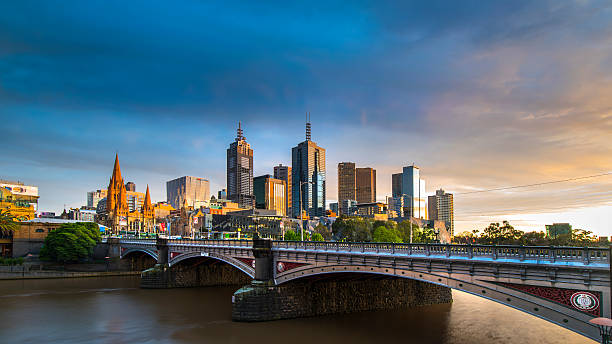
Is Melbourne Really That Expensive?
Melbourne keeps topping “most liveable” lists for its arts, food, parks, and public transport. The big question for movers is simple: can I actually afford it?
The short answer: yes, with planning—but your budget will look very different if you’re a student sharing a house, a single professional, or a family paying for childcare and school supplies.
This guide breaks down the day-to-day cost of living in Melbourne. People ask us about most—rent, transport, groceries, utilities, healthcare, and education—so you can set a realistic budget before you land. If you’re weighing up suburbs, visas or timelines, the migration team at Stepping Stones Career Solutions can help you match your budget with a visa pathway and settlement plan.
Planning as a family visa holder? Book a session with Stepping Stones Career Solutions to check health cover conditions (e.g., visa 8501), school options, and suburb picks before you apply.
Also Read: Cost of Living in Australia – Updated Guide for Students and New Migrants
Table of Contents
ToggleWhat’s Driving the Cost of Living in Melbourne?
The below table reflects the cost of living in Australia Melbourne average data, giving a baseline to plan from.| Expense | Average Cost in Melbourne |
| Rent | Houses: ~$580/weekUnits: ~$575/week |
| Transport | Daily cap: $11 weekdaysWeekend/public holiday cap: $7.60 |
| Groceries | ~$173/week per household (Vic average) |
| Healthcare | Medicare for PR/citizensOSHC/OVHC for visa holders |
| Education | Public schools: low voluntary fees for localsInternational students: tuition applies |
Recent economic updates & bill trends
- Inflation: 2.1% in June 2025 quarter; ticked up to 2.8% in July (electricity a key driver).
- Energy bills: Victorian Default Offer rose by ~1% on average from 1 July 2025.
- Rent pressure: Vacancy rates remain tight; inner suburbs pricier than middle/outer suburbs.
Cost of Living in Melbourne for International Students
| Rent (share houses & student rooms) |
|
| Transport |
|
| Internet & phone | |
| Groceries |
|
| Healthcare |
|
Work rules & budgeting
On a Student Visa (subclass 500), you can work up to 48 hours per fortnight during study periods (unlimited in official breaks). Plan rent and bills on the assumption you’ll work within that cap.Average Cost of Living for a Single Person in Melbourne per month
Here’s a typical monthly snapshot for a single renter in a middle-ring suburb (not CBD), sharing a 2-bed unit:How Much Does It Cost for Couples or Families to Live in Melbourne?
Cost of Living in Melbourne for a Couple (no kids)
| Expense | Estimated Monthly Cost |
| Rent (1-bed unit) | $2,200–$2,800 |
| Utilities & Internet | $220–$320 |
| Groceries | $600–$800 |
| Transport & Phone (two people) | $350–$550 |
Cost of Living in Melbourne for a Family of 3–4
| Expense | Estimated Monthly Cost |
| Rent (2–3 bed dwelling) | $2,600–$3,600 |
| Childcare (before subsidies) | $140–$160/day+ Free Kinder subsidy up to $2,101/year |
| Groceries | $900–$1,200 |
| Health (cover varies by visa) | OSHC/OVHC required for many temporary visas; PR/citizens use Medicare |
| School Costs | Low voluntary fees for locals; tuition applies for some visa holders |
Monthly and Annual Average Cost of Living in Melbourne Australia
Students (share a room or small studio):
- Monthly: $1,500–$2,400
- Annual: $18,000–$28,800 (plus OSHC) (Assumes share housing or budget studio, public transport, mostly home-cooked meals.)
Single professional (share a 2-bed or rent a 1-bed):
- Monthly: $1,790–$3,100
- Annual: $21,500–$37,200 (Upper end = solo 1-bed rental closer to the CBD.)
Couple (no kids):
- Monthly: $3,400–$4,700
- Annual: $40,800–$56,400
Family of 3–4:
- Monthly (excluding childcare): $4,300–$6,100
- Annual (excl. childcare): $51,600–$73,200
- Childcare add-on: If one child is in long day care 3 days/week at $150/day, that’s ~$1,800/month before CCS; Free Kinder offsets part of kinder hours.
Melbourne vs Other Aussie Cities: Where Does It Rank?
When people compare the cost of living in Melbourne with other capitals, the biggest differences usually come down to rent and housing availability. Here’s how Melbourne stacks up against the rest:Cost of living in Melbourne vs Sydney
Sydney’s median rents outpace Melbourne’s in both houses and units, which means Sydney is generally more expensive to rent.Cost of living in Brisbane vs Melbourne
Brisbane has surged in recent years but still tends to be cheaper than Sydney. For many families, Brisbane can feel a touch lighter on the budget than Melbourne, suburb-for-suburb.Cost of living in Adelaide vs Melbourne
Adelaide offers cheaper housing on average and appeals strongly to families looking for a smaller city lifestyle.Cost of living in Hobart vs Melbourne
At first glance, Hobart rents look lower than Melbourne, but limited rental stock and tight vacancy rates make the market highly competitive. (Source: Property Update)How to Budget Smartly Before Moving to Melbourne
Pick a suburb by transport, not just distance. Being near a train line or a tram that runs outside peak can save both time and money; the Free Tram Zone cuts CBD costs if you live or work inside it. Lock in the “big three”:- Rent target (max weekly number).
- Transport plan (myki cap vs a Pass; bikes help for short hops).
- Groceries routine (cook more, plan markets, use loyalty programs—Vic average sits around $173/week per household).
Final Thoughts: Is It Worth It?
Melbourne isn’t cheap, but you’re paying for choice—from free city trams and libraries to incredible food, parks, and jobs across health, tech, creative and services. If you set a clear rent ceiling, plan your commute, and keep an emergency buffer (especially with inflation flickering), the lifestyle often outweighs the cost. For migrants, align your budget with visa conditions (e.g., student work caps, health cover) and a realistic job plan. That’s exactly the kind of roadmap Stepping Stones Career Solutions builds with clients every week.FAQs on the cost of living in Melbourne
What salary do you need to live comfortably in Melbourne? It varies by household. As a guide, average full-time weekly earnings in Australia were about $2,010/week in May 2025 (roughly $104k/year before tax). Singles often feel comfortable around $80k–$100k if sharing; families usually want $120k–$180k+ depending on rent and childcare. Use your target rent and the ranges in section 6 to reverse-engineer your number. What is the average cost of living in Melbourne per month? See section 6. As a memory jog:- Student share: $1,500–$2,400/month
- Single: $1,790–$3,100/month
- Couple: $3,400–$4,700/month
- Family (excl. childcare): $4,300–$6,100/month